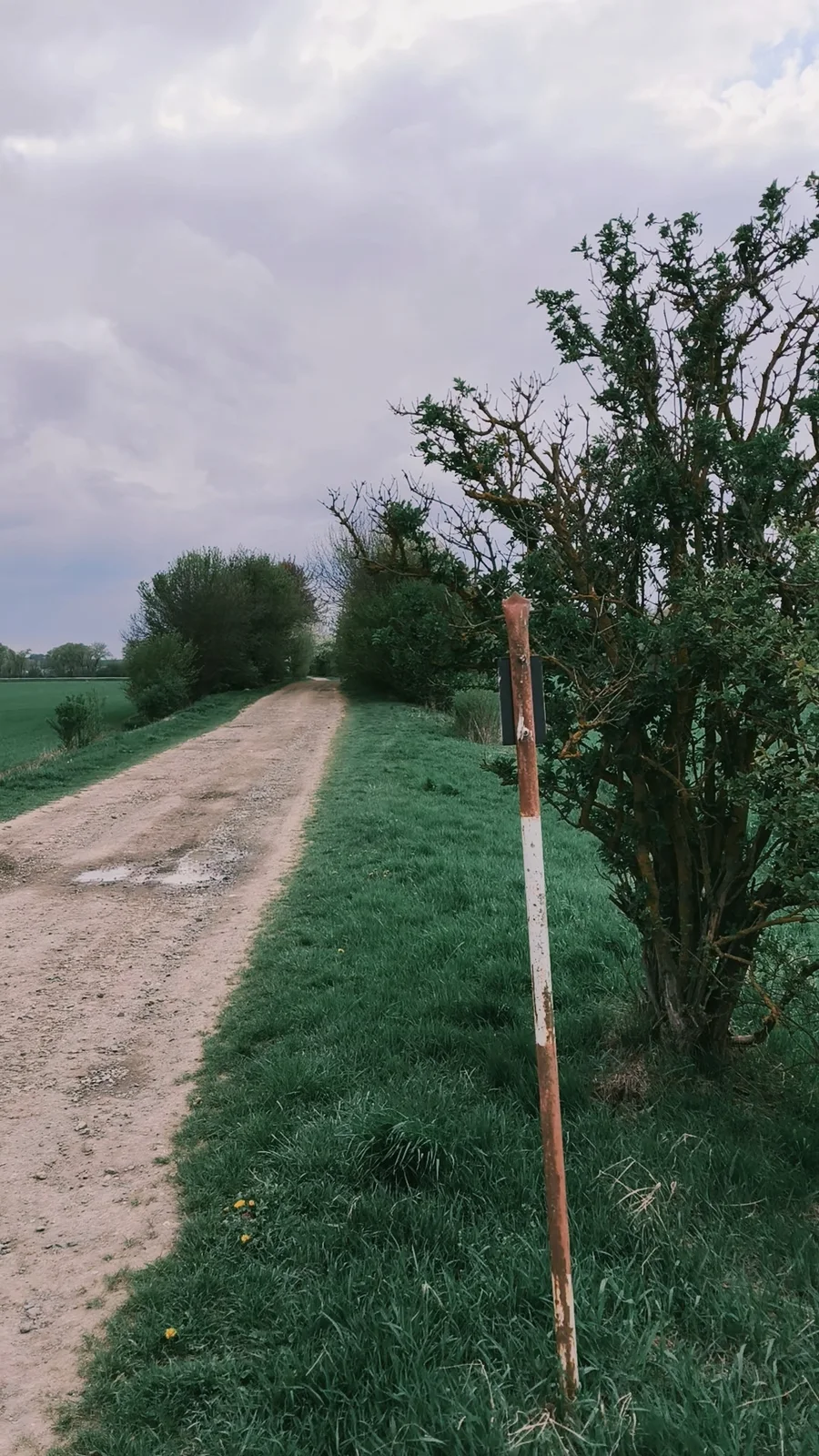
Floor
The smallest useful action that keeps your relationship with movement alive. It may be five minutes on the floor, one short walk or a familiar sequence that requires almost no preparation.
One-to-one online coaching with Emile
For previously active adults who still want to feel strong and capable, but whose old way of training no longer fits the life they have now.
We use breathing, mobility, strength and the shape of your actual week to build a way of moving that survives real life, not just the weeks when you have enough time, energy and motivation.
No workout. No assessment. No pressure to commit on the first call.

When the old way stops fitting
Maybe work became heavier. Something started hurting. You moved. A parent needed more from you. You got a dog, had a child, changed jobs, burned out or simply stopped having the life that made your old routine possible.
Nothing is necessarily wrong with you. There may just be less of you to go around.

“I know what I should do. I just can’t stay consistent.”
“I don’t want to start over. I want to start where I’m at.”
“Everything feels harder than it should.”
A good plan can still stop working when the life around it changes.
The actual problem
You probably do not need a more ambitious plan.
You may need fewer decisions. Less preparation. A version of movement that does not require the perfect schedule, the right mood, a drive across town and forty-five uninterrupted minutes before it is allowed to count.
The goal is not to become aggressively disciplined. It is to build something that keeps working without requiring you to fight yourself every week.
Sometimes the useful adjustment is not adding another habit. It is deciding what you can stop trying to maintain.
You do not need to become tougher. You need a life that does not constantly ask you to be.
Capability without the noise
Walk without thinking about it.
Get up and down off the floor.
Carry what needs carrying.
Return to the activity you miss.
Play again.
Strength still matters. Mobility still matters. The difference is that they are used in service of your life rather than becoming the centre of it.
A plan with more than one setting
Most plans are built for the version of you with enough time, energy and motivation. Together, we build more than one version.
The smallest useful action that keeps your relationship with movement alive. It may be five minutes on the floor, one short walk or a familiar sequence that requires almost no preparation.
The normal working version for an ordinary week. Enough structure to build capacity without pretending every week is ideal.
Room to do more when your energy and time are genuinely available, not because you are trying to make up for something.
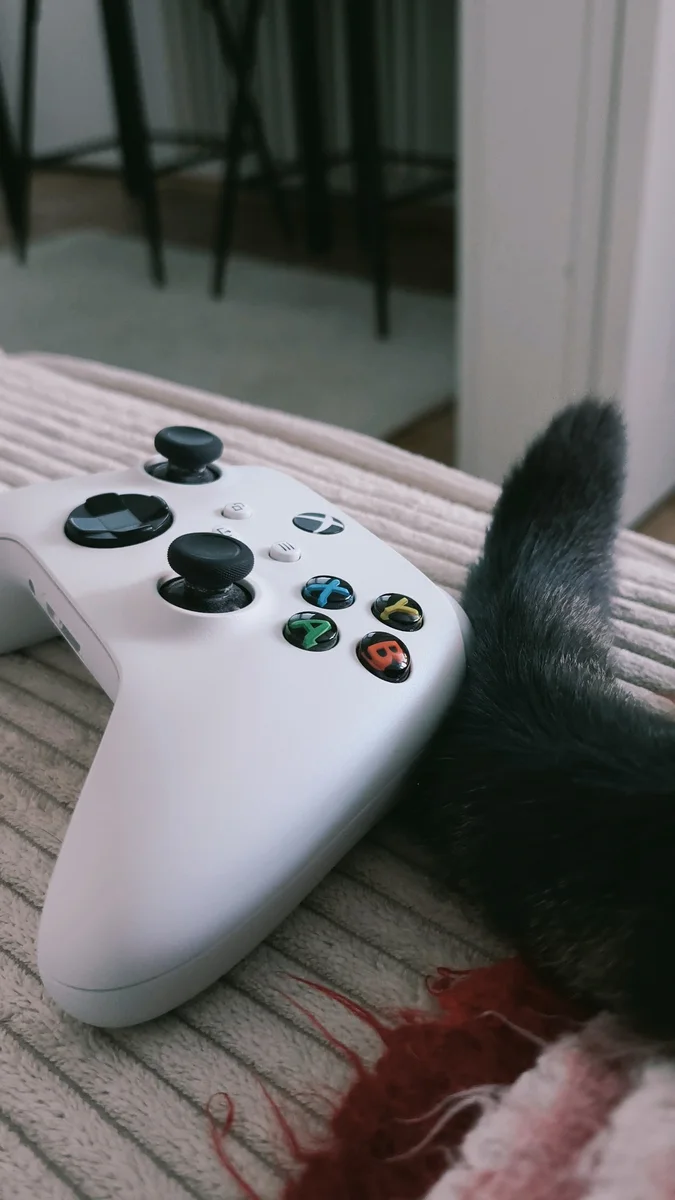
A difficult week can change the plan without ending it.
The eight-session intake
The eight-session intake helps you understand what changed, reconnect with your body and build a way of moving that can survive real life.
You will learn what helps your body feel more available, connect mobility and strength to useful movement, and leave with practical anchors, flexible versions of your training and clear rules for adjusting without abandoning the whole thing.
The sessions are layered rather than rigid. We move between awareness, exploration, strength, environment and ordinary life based on what you need.
Learn what your body is responding to without treating it like a problem that needs fixing.
Connect breathing, mobility and strength instead of collecting disconnected exercises and corrective routines.
Use the work in meaningful patterns and build floor, standard and open versions that can change with your capacity.
Shape the environment around the work, recognize when life load is rising and know what is worth protecting.
Halfway through, we review what is changing, what is not and what the second half of the intake needs to emphasize.
Inside the process
Most clients meet weekly and complete the intake in approximately two months, as life permits. Sessions are held online through Google Meet.
The outcome
The intake is designed to leave you with movement anchors you actually use, flexible versions for changing capacity and a clearer understanding of what supports your consistency, or repeatedly gets in its way.
The goal is for you to know what to do when the week changes, not to need permission from me.

Your coach
I did not grow up as an athlete. I found training gradually, partly while recovering from a serious back injury in my early twenties. What began as a fairly improvised attempt to feel capable again eventually became a career.
I spent more than a decade coaching movement and strength in Vancouver, helping hundreds of people become more capable and build a lasting relationship with training. I also built my own routines inside a strong community, a familiar environment and a life organized around the work.
Then my wife and I moved to the Czech Republic.
I sold almost everything I owned, closed out my in-person coaching practice and started again online with two clients. The move was exciting, but the structures I had relied on disappeared. Old aches returned. My routines stopped fitting. Knowing what to do was not the same as having a life that made it possible to keep doing it.
Move At Leisure grew from rebuilding that relationship.
Now I help previously active adults understand what changed, find movement that feels useful again and build systems that can adjust with their time, energy and responsibilities. The point is not to organize your entire life around perfect health. It is to make movement supportive of the life you actually want to live.
Sometimes that life includes training. Sometimes it includes beers, animals, work, travel or gaming with your brother for six hours because he lives 8,000 kilometres away.
Life happens. The system should be able to survive it.
Emile Connaughton
Founder & Head Coach
Is this the right work?
Before you apply
No. Your space, equipment, preferences and available time are part of the coaching process. The goal is to build something usable, not force one setting.
Most clients meet weekly and complete the eight sessions in approximately two months. The process can bend when life requires it.
Sessions are held online through Google Meet. Your program and supporting material live in a private Notion space.
No. Move At Leisure provides fitness and lifestyle coaching, not diagnosis, treatment, rehabilitation or emergency support. When something requires medical assessment or clinical care, I will ask you to work with the appropriate licensed professional.
No. The intake is standalone. At the end, we decide whether independent continuation or monthly, biweekly or weekly support serves a clear purpose. Continuing is optional.
Applications are reviewed within 48 hours. If the intake appears to fit, I will email you with a link to arrange a discovery conversation. The conversation is not a workout or assessment, and there is no pressure to commit on the call.
Start with a conversation
This short application helps me understand what you are dealing with and whether Move At Leisure is likely to fit.
If it does, I will email you within 48 hours with the next step and a link to arrange a discovery conversation.
Prefer email? emile@moveatleisure.com